
3NN | The Evolution and Impact of Tabletop Games: A Deep Dive into "3NN"
3NN’s Explore the fascinating world of tabletop games with a focus on the intriguing concept of '3NN'. Discover its history, mechanics, and influence on modern gaming.
The Evolution and Impact of Tabletop Games: A Deep Dive into "3NN"
Tabletop games have seen a tremendous evolution over the years, transforming from traditional board games to complex strategic experiences that capture the imaginationof players across the globe. Among the myriad of game concepts developed, "3NN" emerges as a pivotal keyword that's gaining traction in the gaming community.
Understanding Tabletop Games
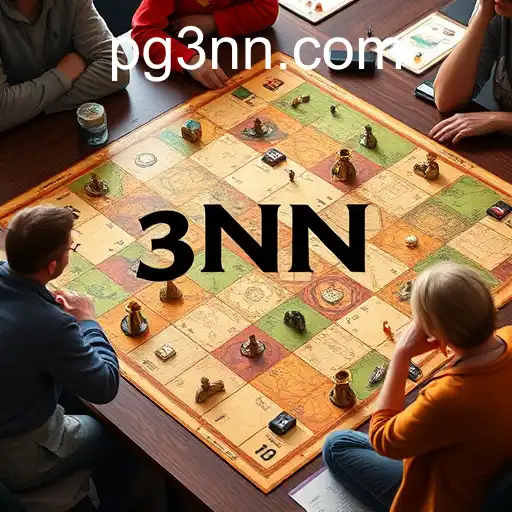
Tabletop games encompass a wide variety of game types usually played on a flat surface, involving dice, cards, tokens, and complex rule sets. These games can range from family-friendly classics like Monopoly to intricate, strategy-driven games like Settlers of Catan or Gloomhaven. They offer an interactive experience that stands apart from digital gaming by emphasizing face-to-face interaction and tactile engagement.
The Rise of "3NN"
The term "3NN" in the tabletop gaming world is relatively new but intriguing. In essence, "3NN" refers to a game mechanism or a type of challenge that revolves around three distinct nodes of networks within the gameplay. This mechanism can be central to strategy games where players must navigate and control different nodes to achieve a particular objective.
The concept of "3NN" can be likened to games that utilize resource management and area control, demanding that players think strategically about their moves and alliances. It introduces layers of complexity, rewarding those who can anticipate their opponent's strategies and adapt accordingly.
A Brief History of Tabletop Games
To fully appreciate the impact of "3NN", it’s essential to trace the history of tabletop games. These have roots deep in human history, with instances of board games discovered in ancient sites dating back thousands of years. Games like Senet from ancient Egypt and Go from ancient China illustrate humankind's long-standing affinity for strategic competition.
However, it wasn’t until the late 20th century that tabletop gaming began to undergo significant transformation. The introduction of role-playing games like Dungeons & Dragons in the 1970s propelled a wave of creative design, encouraging a migration from prescribed narratives to those scripted by the players themselves. This innovation laid the groundwork for modern games that capitalize on player-generated content and network-based gameplay mechanisms such as "3NN".
The Mechanics of "3NN"
The mechanics of "3NN" games are intricate and demand a fine balance of cognitive precision and creativity. Typically, these games are structured around multiple paths to victory, involving a network of interconnected points or nodes. Players may be required to control, connect or disrupt these key nodes to gain supremacy.
This strategic interplay not only challenges the players' tactical skills but also enhances their interpersonal communication, fostering a sense of community and rivalry in equal measure. Games employing the "3NN" mechanism often have rich backstories, immersive lore, and expansive worlds that provide a captivating backdrop for the complex interplay of strategy and narrative.
Influence on Modern Gaming
The impact of "3NN" on modern gaming is quite profound. As more players seek out games that offer a blend of strategy, narrative depth, and social interaction, the desire for innovative game mechanics that elevate traditional gameplay has risen. The "3NN" framework appeals to this evolving preference by offering a fresh take on area control and network building.
Digital adaptations of board games have also embraced "3NN" mechanics, embracing the blend of traditional tabletop elements with the interactive potential of digital media. This convergence highlights the hybrid nature of modern gaming experiences that cater to both tabletop enthusiasts and digital gamers alike.
Social and Cultural Impact
The resurgence in popularity of tabletop games, including those employing "3NN" mechanics, has far-reaching social and cultural implications. In an age where digital interaction is prevalent, tabletop games provide a much-needed escape, encouraging players to engage personally, forge alliances, and resolve conflicts face-to-face. This can create stronger communities and a deeper appreciation for nuanced storytelling and strategic thinking.
Moreover, tabletop gaming's growth has been characterized by inclusiveness and diversity, with game designers actively seeking to represent a broader spectrum of cultures and narratives. This environment allows for the growth of niche concepts like "3NN", adding to an ever-expanding tapestry of games that reflect diverse player interests and backgrounds.
Future Prospects of "3NN"
As the tabletop gaming industry continues to expand, the application and refinement of concepts like "3NN" will likely play a significant role in shaping future game design. Game designers might explore integrating technology further with augmented reality elements, bringing these network-based challenges to life in ways previously unimaginable.
The continuous evolution of tabletop games, driven by innovative mechanics and a desire for complex, socially engaging playstyles, ensures that concepts like "3NN" will remain influential. These developments promise exciting new pathways for players to explore, redefine, and enjoy the world of tabletop gaming. Whether you're a seasoned aficionado or new to the realm of tabletop adventures, the exploration of "3NN" offers endless possibilities and challenges that will captivate for years to come.
